


 Adventure Tours
A Kenya safari tends to live up to the hype, which is rare in travel. You’ve seen the images; golden light, open plains, silhouettes of acacia trees, but the real difference is how consistently Kenya delivers those moments. It’s one of the few places where the classic idea of safari still holds true, without feeling staged.
At the center of it all is the Maasai Mara, often considered the most reliable wildlife destination in East Africa. Big cats, large herds and year-round activity make it a strong anchor for any itinerary. During the Great Migration, the scale shifts entirely. Thousands of wildebeest crossing rivers, predators following closely behind. It’s dramatic, but also unpredictable, which is part of the appeal.
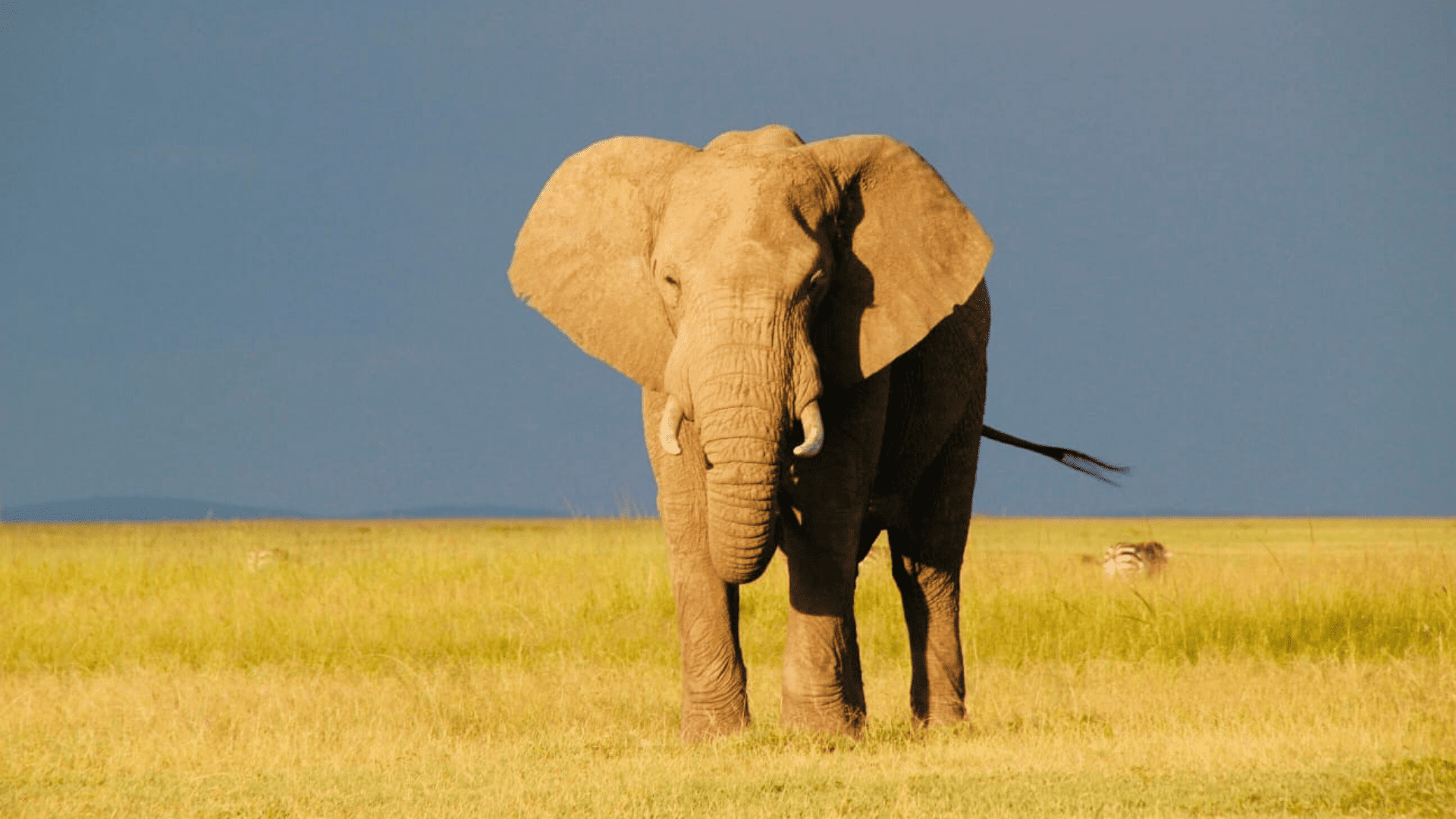
Beyond the Mara, Kenya offers contrast. Amboseli brings elephants against the backdrop of Mount Kilimanjaro, a setting that feels almost too composed to be real. Laikipia shifts the experience further; private conservancies, fewer vehicles and a quieter pace. It’s less about chasing sightings and more about how you experience them. The same applies to Samburu in the north, where the landscape becomes drier, more rugged and home to species you won’t see elsewhere.
Timing plays a bigger role than most people expect. Kenya isn’t a one-season destination. Different regions perform differently throughout the year and the best itineraries are built around movement of wildlife, weather and even crowds. A well-timed safari in the shoulder season can feel far more rewarding than a peak-season trip done without context.
Accommodation also shapes the experience more than expected. In Kenya, where you stay often determines what you see and how your day flows. A well-located camp can mean shorter drives, better access to wildlife and a more relaxed pace. The difference isn’t always obvious when booking, but it becomes clear once you’re there.
There’s also a cultural layer that’s easy to overlook. Kenya isn’t just landscapes and wildlife. It’s people, history and conservation efforts that have shaped how safari operates today. Visiting community conservancies or engaging with local guides adds depth that goes beyond game drives.
Kenya works because it offers variety without complication. You can combine multiple ecosystems in one journey without long, exhausting travel days. It’s one of the reasons it remains a strong choice for both first-time visitors and returning travelers.
The idea of “Magical Kenya” isn’t just branding. It’s a reflection of how the experience comes together when timing, location, and design align properly.


